paf casino bonus — exklusiva bonusar | paf casino
paf casino bonus – utan omsättningskrav 2026
paf casino bonus kan vara lukrativt, men bara om man känner till de finstilta detaljerna. Med nya regler och skärpta krav har landskapet förändrats avsevärt de senaste åren. Här går vi igenom de vanligaste fallgroparna och hur du undviker dem. Innan du accepterar något erbjudande är det värt att fundera på hur paf casino bonus 2027 påverkar din totala spelupplevelse.
See also:
- Så här kommer du igång med paf casino bonus 2027
- Bonusar & kampanjer hos paf casino
- Omsättningskrav & bonusvillkor
- paf casino free spins: Enkla steg för att kräva din bonus
- paf casino i korthet
- Bilder från paf casino
- Så fungerar paf casino bonus 2027: svar på vanliga frågor
- paf casino VIP-förmåner och självexkludering
Så här kommer du igång med paf casino bonus 2027
Acceptera bonus is a concept that, at its core, challenges the conventional wisdom of passive acceptance in the face of external rewards or incentives. It originates from a critical examination of how individuals and societies respond to bonuses—whether financial, social, or psychological—and posits that true agency lies not in simply taking what is offered, but in actively engaging with the terms, implications, and long-term consequences of such offerings. The phrase, though compact, encapsulates a philosophical stance that rejects both naïve gratitude and cynical rejection, advocating instead for a mindful, evaluative approach to any form of added value or benefit. To understand its full depth, one must dissect its linguistic roots, its historical precedents, its psychological underpinnings, and its practical applications across various domains, from corporate environments to personal relationships, and even to the broader socio-economic structures that govern modern life.
The term ‘acceptera’ is derived from the Latin ‘accipere,’ meaning to take or receive, but its modern usage in Scandinavian languages, particularly Swedish, carries a nuance of deliberate choice rather than mere passivity. It implies an act of will, a decision to incorporate something into one’s own framework. ‘Bonus,’ on the other hand, has traversed from Latin ‘bonus’ (good) through Old French to English, and in contemporary parlance, it signifies something extra, a gratuity, a reward beyond the expected. When combined, ‘acceptera bonus’ does not simply mean ‘accept the bonus’; it suggests a conscious, perhaps even skeptical, engagement with what is being offered. It questions the very nature of the bonus: Who is offering it? Why? What strings are attached? What does accepting it say about one’s own values, autonomy, and place in a power dynamic? This is not a trivial linguistic exercise; it is a lens through which to view the myriad transactions that shape our daily existence.
Historically, the idea of scrutinizing gifts and rewards has deep roots. In ancient gift economies, as described by Marcel Mauss in ‘The Gift,’ the exchange of presents was never innocent; it created obligations, hierarchies, and social bonds. To accept a gift without reciprocity was to incur debt, to lose status. Similarly, in Roman society, the concept of ‘do ut des’ (I give so that you may give) formalized the reciprocal nature of benefits, and accepting a favor without acknowledging the implied contract was considered dishonorable. The medieval feudal system was built on a web of such exchanges, where land (the ultimate bonus) was granted in return for loyalty and service, and the act of acceptance was a binding oath. In more recent history, the industrial era introduced the idea of performance-based bonuses, which were initially seen as a progressive way to motivate workers, but soon revealed their darker side: they could be used to manipulate, to divide, and to enforce conformity. The Protestant work ethic, as analyzed by Max Weber, further complicated the acceptance of rewards, tying them to moral worth and divine favor. Thus, ‘acceptera bonus’ resonates with a long tradition of critical reflection on the hidden costs of apparent generosity.
Psychologically, the act of accepting a bonus triggers a complex array of cognitive and emotional responses. Behavioral economists like Daniel Kahneman and Amos Tversky have shown that humans are loss-averse and that the framing of a reward significantly affects its perceived value. A bonus that is framed as a gift may be accepted with gratitude, but if it is framed as a compensation for a loss, it may be rejected or resented. Moreover, the endowment effect suggests that once we accept something, we irrationally overvalue it, which can lead to a distorted sense of self-worth or loyalty. The concept of cognitive dissonance also plays a role: if the bonus comes from a source we dislike or from an action we find morally questionable, accepting it may create internal conflict, leading us to rationalize the acceptance in ways that compromise our integrity. On the other hand, the psychology of reciprocity, as studied by Robert Cialdini, shows that accepting a small favor makes us more likely to comply with larger requests, a principle exploited in sales and negotiation. Therefore, ‘acceptera bonus’ is not just about the immediate transaction; it is a psychological event that can alter our future behavior, our sense of agency, and our ethical compass.
In the corporate world, the concept of ‘acceptera bonus’ has profound implications. Executive bonuses, for instance, are often justified as incentives for performance, but they have been criticized for encouraging short-termism, excessive risk-taking, and even fraud. The 2008 financial crisis is a stark example: bankers accepted massive bonuses while engaging in practices that destabilized the global economy. The question then becomes: should they have accepted those bonuses? What does acceptance mean in a system where the rewards are divorced from the consequences? On a more individual level, employees face daily decisions about accepting perks, overtime pay, or recognition. Accepting a bonus might mean tacitly endorsing a toxic work culture, or it might mean strategically positioning oneself for future advancement. The mindful approach suggested by ‘acceptera bonus’ would involve asking: Does this bonus align with my personal values? Does it reflect my actual contribution, or is it a tool for control? Am I willing to accept the obligations that come with it? Such questions are rarely asked in the rush to accumulate rewards, but they are essential for maintaining a sense of integrity and purpose.
Bonusar & kampanjer hos paf casino
- kr2000 + 50 gratissnurr
- 10 gratissnurr vid registrering
- kr250 bonus med 64% ökning
Omsättningskrav & bonusvillkor
- 50x omsättningskrav inom 7 dagar
- 45x spelomsättning
- 40x omsättning på bonusen
- 25x spelkrav inom 30 dagar
paf casino free spins: Enkla steg för att kräva din bonus
Spelare som jämför paf casino bonus bör alltid kontrollera licensen först.
paf casino i korthet
| Feature | Details |
|---|---|
| Welcome offer | 25 spins + 150 |
| Withdrawal time | Up to 21 days |
| Provably fair | Yes, verified RNG |
| Omsättningskrav | 40x på bonusen |
| Live casino | Live dealer games available |
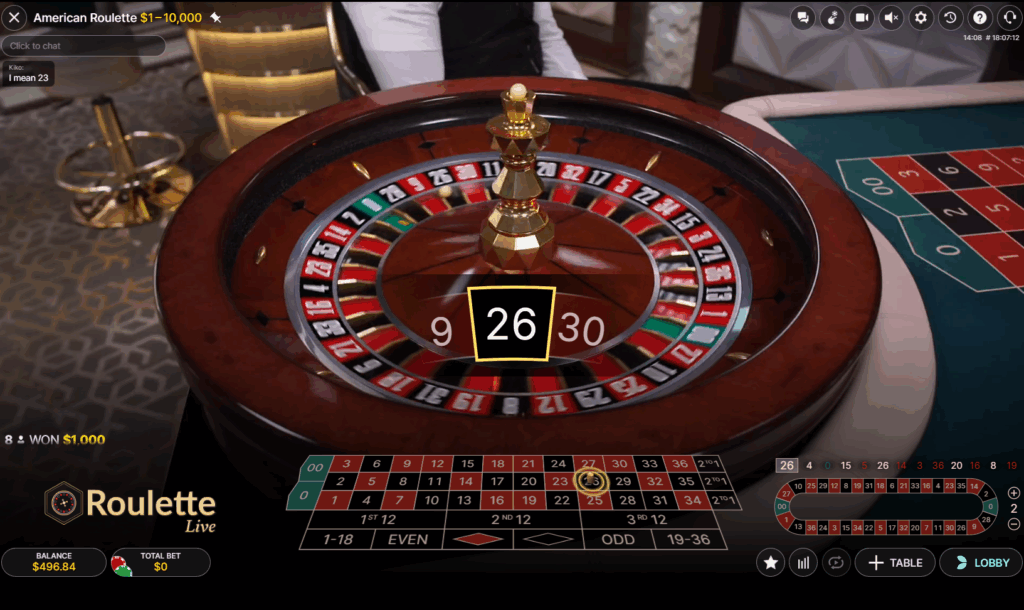
Bilder från paf casino
wisho casino login — Effektiv hantering | wisho casino login
maria casino free spins — förmånliga villkor | maria casino
Så fungerar paf casino bonus 2027: svar på vanliga frågor
Vad är välkomstbonusen hos paf casino?
paf casino erbjuder en generös välkomstbonus för nya spelare, ofta inklusive både bonusmedel och free spins. Det exakta beloppet kan variera, men du kan räkna med en bonus på upp till kr200 i bonus med 10 gratissnurr.
Vilka omsättningskrav gäller för bonusar?
Alla bonusar hos paf casino har omsättningskrav på 45x omsättningskrav på bonusbeloppet gånger bonusbeloppet innan vinster kan tas ut. Det är viktigt att läsa villkoren för varje kampanj.
Kan jag få en no-deposit bonus hos paf casino?
Ja, paf casino erbjuder ibland no-deposit free spins eller bonusar utan insättning. Dessa är ofta tillgängliga för nya spelare eller som en del av specifika kampanjer.
Hur fungerar lojalitetsprogrammet och VIP-förmånerna?
paf casino har ett lojalitetsprogram där du tjänar poäng för varje spel, vilka kan växlas till bonusar eller andra belöningar. VIP-medlemmar får exklusiva förmåner som högre cashback, personliga bonusar och snabbare uttag.
Vilka är kraven för att ta del av cashback-erbjudanden?
Cashback hos paf casino ges vanligtvis på nettoförluster under en viss period, med en minsta insättning på kr15 för att kvalificera sig. Beloppet krediteras automatiskt eller efter att du kontaktar kundtjänst.
En jämförelse av paf casino bonus kan avslöja dolda avgifter.
paf casino VIP-förmåner och självexkludering
Spela ansvarsfullt – paf casino uppmuntrar dig att spela för nöjes skull, aldrig för att vinna tillbaka förluster. Spel är endast för personer som fyllt 18 år. paf casino är licensierat av Spelinspektionen, och du kan när som helst stänga av dig från allt licensierat spel i Sverige via det nationella självavstängningssystemet Spelpaus.se. Sätt upp tydliga gränser för tid och pengar innan du börjar spela. Behöver du stöd eller rådgivning kring spelproblem, kontakta Stödlinjen på 020-81 91 00 – hjälpen är kostnadsfri och anonym. Spela medvetet och håll det på en underhållande nivå.